Weather, Wildlife & Rural Living
A Living Landscape
Weather
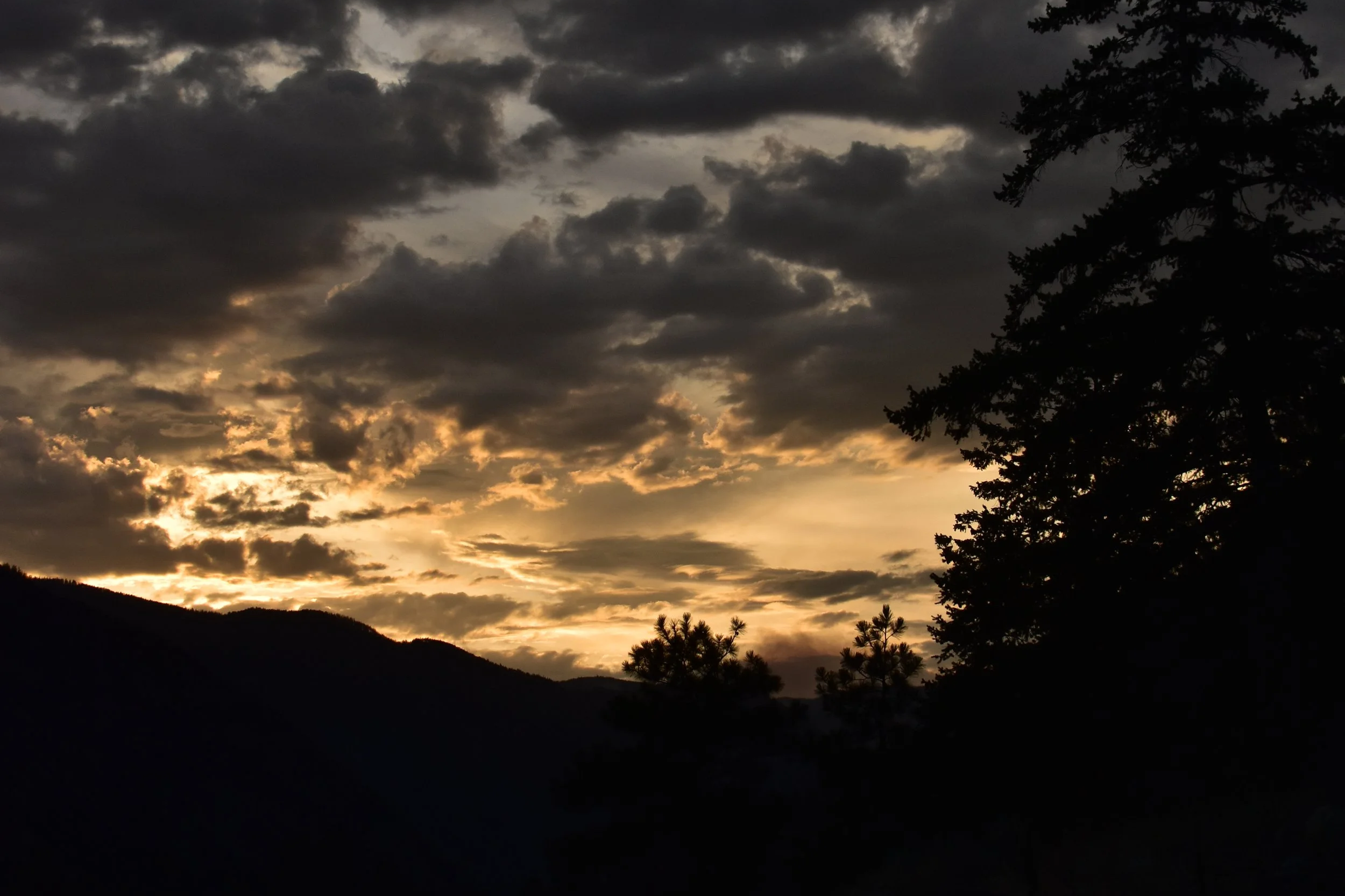
Keremeos has a distinct semi-arid climate, with hot, dry summers and cold, snowy winters. Summers bring an increased risk of wildfires and wildfire smoke, while winter wind chill can make temperatures feel particularly cold. Situated in a narrow valley, SAR can experience strong winds. Spring and fall bring milder conditions, with changing weather and temperatures throughout the day. Each season brings different conditions for living and working at SAR, so please consider which season works best for you and your practice.
Wildlife
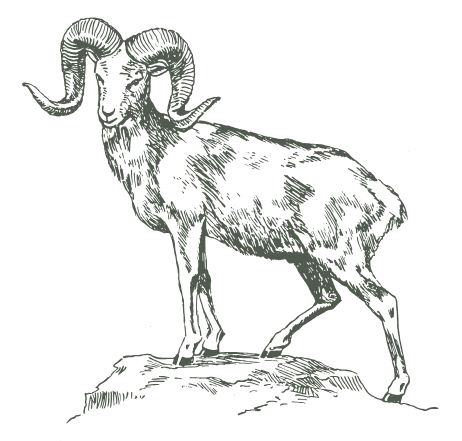
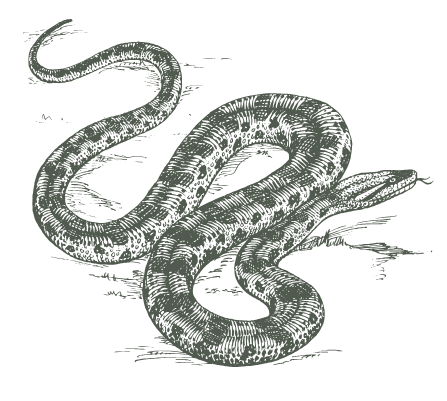
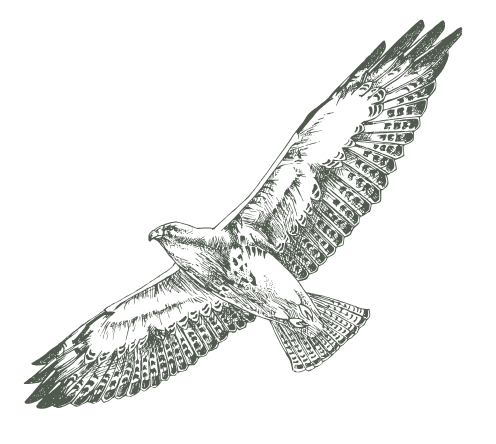
The Similkameen Valley is a unique and biodiverse landscape, and wildlife is part of everyday life at SAR. Residents may encounter everything from insects, including black widow spiders and ticks, to migratory birds, birds of prey, and wildlife including quail, rabbits, bighorn sheep, mule deer, bears, coyotes, gopher snakes, and rattlesnakes on the property. Bobcats and the occasional cougar also pass through the area. Please keep a safe distance from wildlife. Do not approach or feed animals.
Rural Living
The rural setting is an important part of the SAR experience. SAR is located 5 km outside of the Village of Keremeos, along Highway 3, on five acres of property on a mountain slope, away from other houses. Living here comes with a few rural realities, including occasional power outages, spotty cell and internet service, limited medical services, and a degree of isolation. Residents should be comfortable living and working in this environment. Before applying, please consider whether SAR’s rural setting is a good fit for you and your practice.
Spring
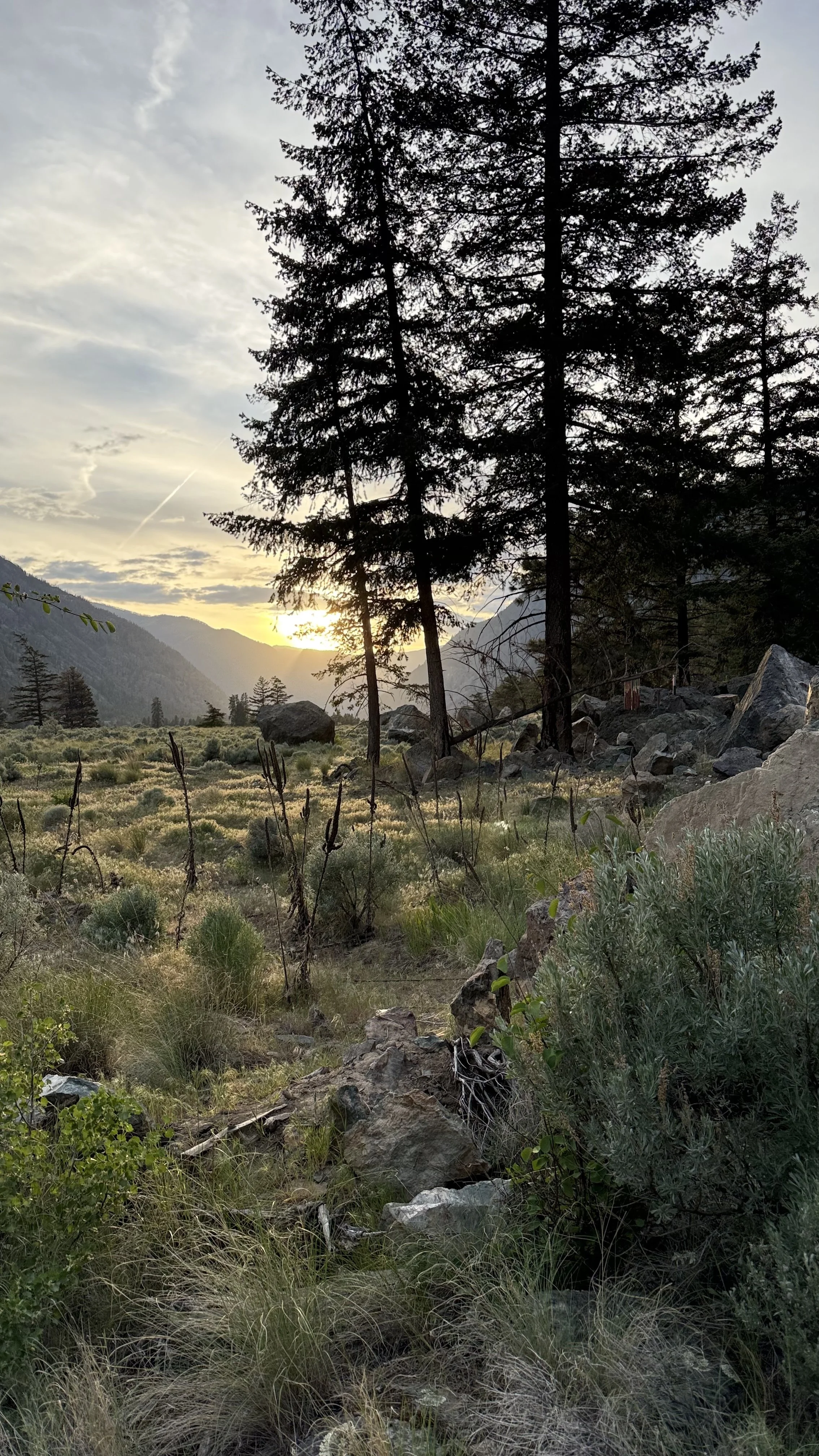
As winter begins to fade in March, there is a sense of excitement in the air and the Similkameen Valley wakes quickly. The days get longer, brighter and warmer, orchard trees begin to bloom, and wildflowers start to appear across the hillsides. The Okanagan sunflower brings yellow to the landscape, while bitterroot emerges as the season progresses. Depending on the winter’s snowpack, the Similkameen River can run high and fast as the snow melts.
Often considered the valley’s hidden-gem season, spring is quieter than summer, with plenty of opportunities to hike, explore, and spend time outdoors. Seasonal businesses gradually reopen in anticipation of summer.
Spring is also the rodeo season in the Similkameen Valley. The Chopaka Rodeo takes place in March, followed by the Keremeos Rodeo in May and the Princeton Rodeo in June.
As temperatures rise, artists can open their studio doors and begin using the outdoor areas around the studios. Like fall, spring lends itself well to working outdoors.
Summer
Late June through September is a bustling, intense, and distinctive time in the Similkameen Valley. Summer temperatures are often in the 30–40°C range, drying the grasses, bringing out the rattlesnakes, and transforming the landscape as cacti bloom and the valley fully reveals its desert character. The heat and dryness can make the landscape feel stark and inhospitable at times, but they also bring a particular beauty and intensity to the season—from dramatic pink sunsets to the earthy scent of sage after a summer thunderstorm.
As the landscape dries, wildfire risk increases, and smoke from fires throughout the region can settle into the valley. SAR was evacuated in 2023 due to a wildfire burning on the mountain across the river. Residents should be prepared to monitor wildfire conditions and follow SAR’s wildfire safety procedures and any provincial advisories or evacuation measures during their stay. Residents are required to have a vehicle during fire season.
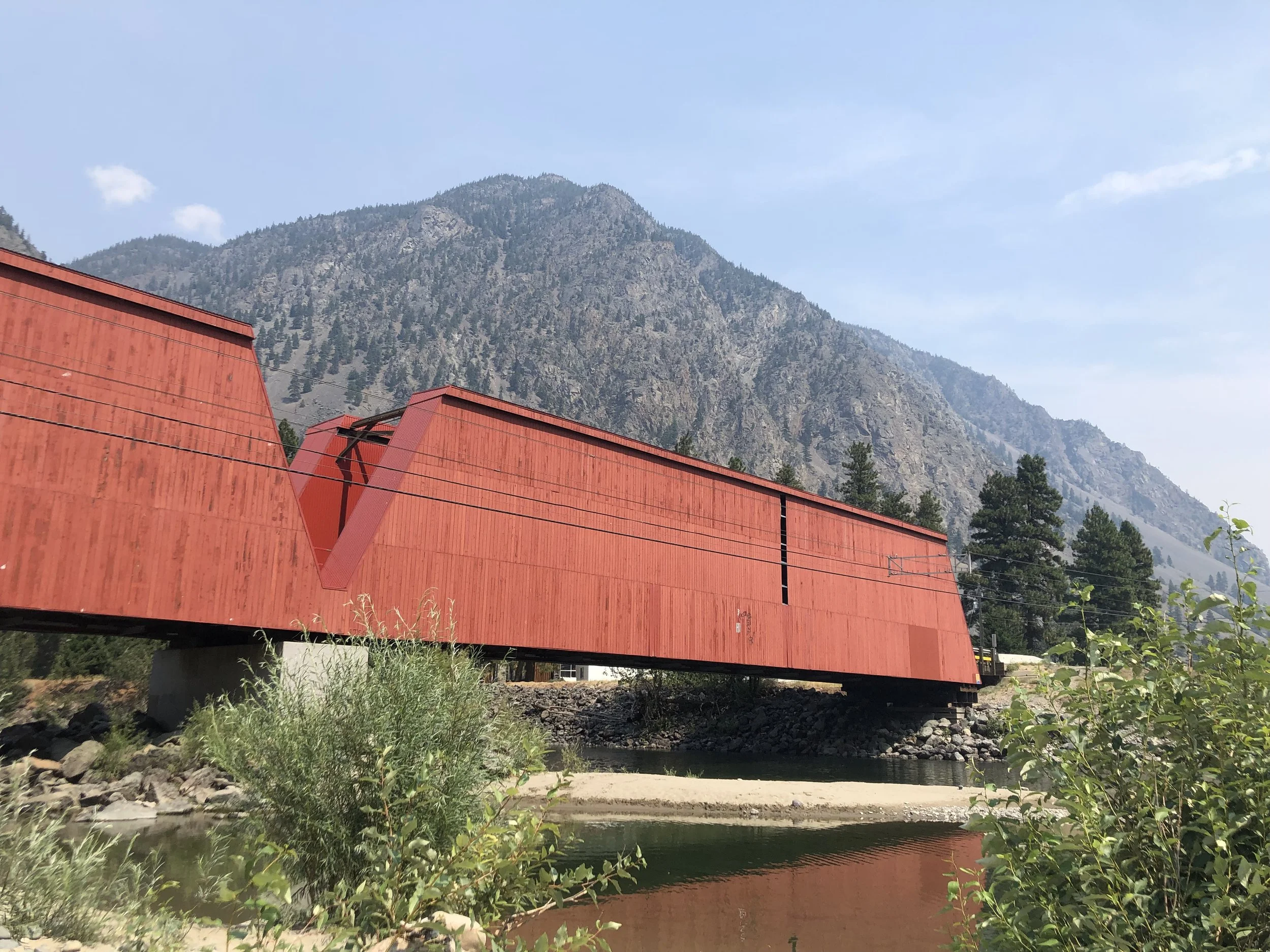
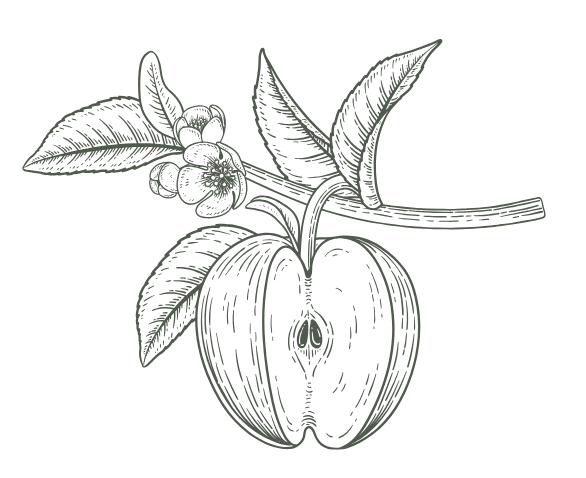
In the heat of summer, the Similkameen River provides places to cool down, and the Red Bridge is a popular local swimming spot. The valley’s fruit stands fill with local produce throughout the summer, from cherries and apricots early in the season to peaches, nectarines, plums, melons, tomatoes, and apples well into the fall. The abundance of apples supports a local cider industry, while the hot, dry climate is well suited to vineyards and wineries.
Although summer may seem like an ideal time to work outdoors, the summer conditions can make it challenging. During the hottest days, artists often retreat to the cooler studios and settle into an early-morning and early-evening rhythm.
Autumn
Late September brings a welcome easing of summer as the season begins to give way to fall, a favourite time of year around here. The days remain warm while the nights cool, and sleeping with the windows open to let in the crisp, fresh air can be wonderfully refreshing.
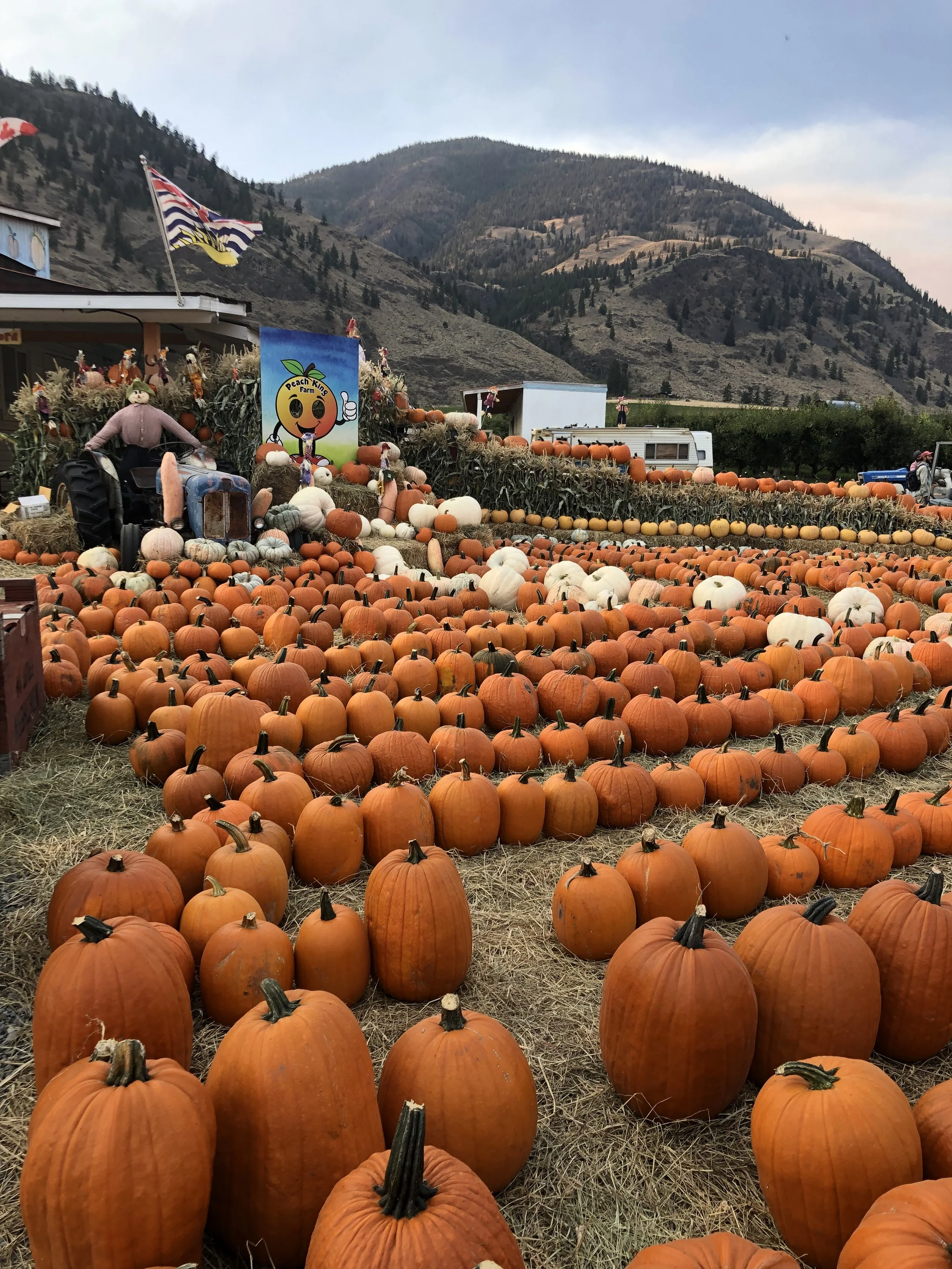
As the tourist season winds down, the highway quiets and the local community gathers. Fruit stands begin to close as the harvest season comes to an end, but before they do, they create impressive displays of squash and pumpkins. The Grist Mill hosts its annual Fall Fair to celebrate the harvest, while the Similkameen Sizzle brings the community together to celebrate hot peppers.
The cooler weather makes it easier to explore the landscape, with hikes that may have been too hot during the summer becoming more comfortable. Autumn is also a great time for artists to work outdoors, using the areas attached to the studios before the colder weather arrives.
Winter
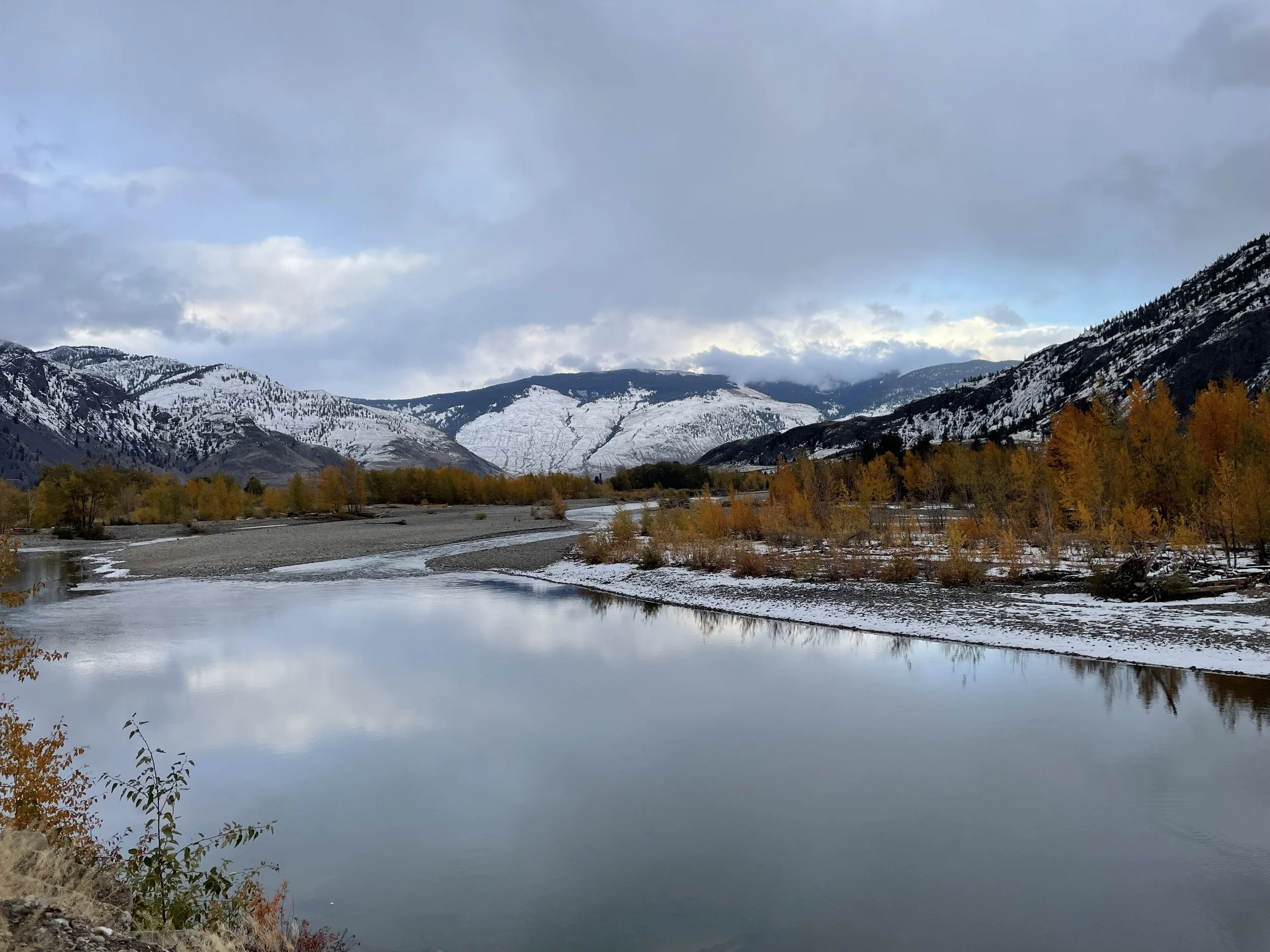
From November to February, the highway quiets as tourist traffic subsides, fruit stands close, and seasonal businesses wind down. The valley takes on a quieter, more solitary rhythm, and SAR becomes a cozy place to hibernate, reflect, and work. For artists seeking solitude and uninterrupted time to focus, winter offers a different pace and a particularly peaceful residency experience.
Winter in Keremeos brings a contrasting intensity to summer. Temperatures can drop as low as –20°C, with wind chill making it feel even colder. There is a striking tension between the deep stillness of the winter landscape and the force of the winds that move through it. The narrow valley can intensify these winds, while occasional heavy snowfall can blanket the landscape, creating a winter environment that is both peaceful and dramatic.
SAR has an uphill gravel driveway that is plowed to the best of our ability, but it can still become slippery and challenging to navigate, particularly during or after snowfall. Hunkering down in the studios, reading a good book, or simply enjoying the quiet can be part of the winter experience at SAR.
Winter tires are required on vehicles travelling on Highway 3 from October through April.
Images: Lynda Walchuk and Katherine Wilson