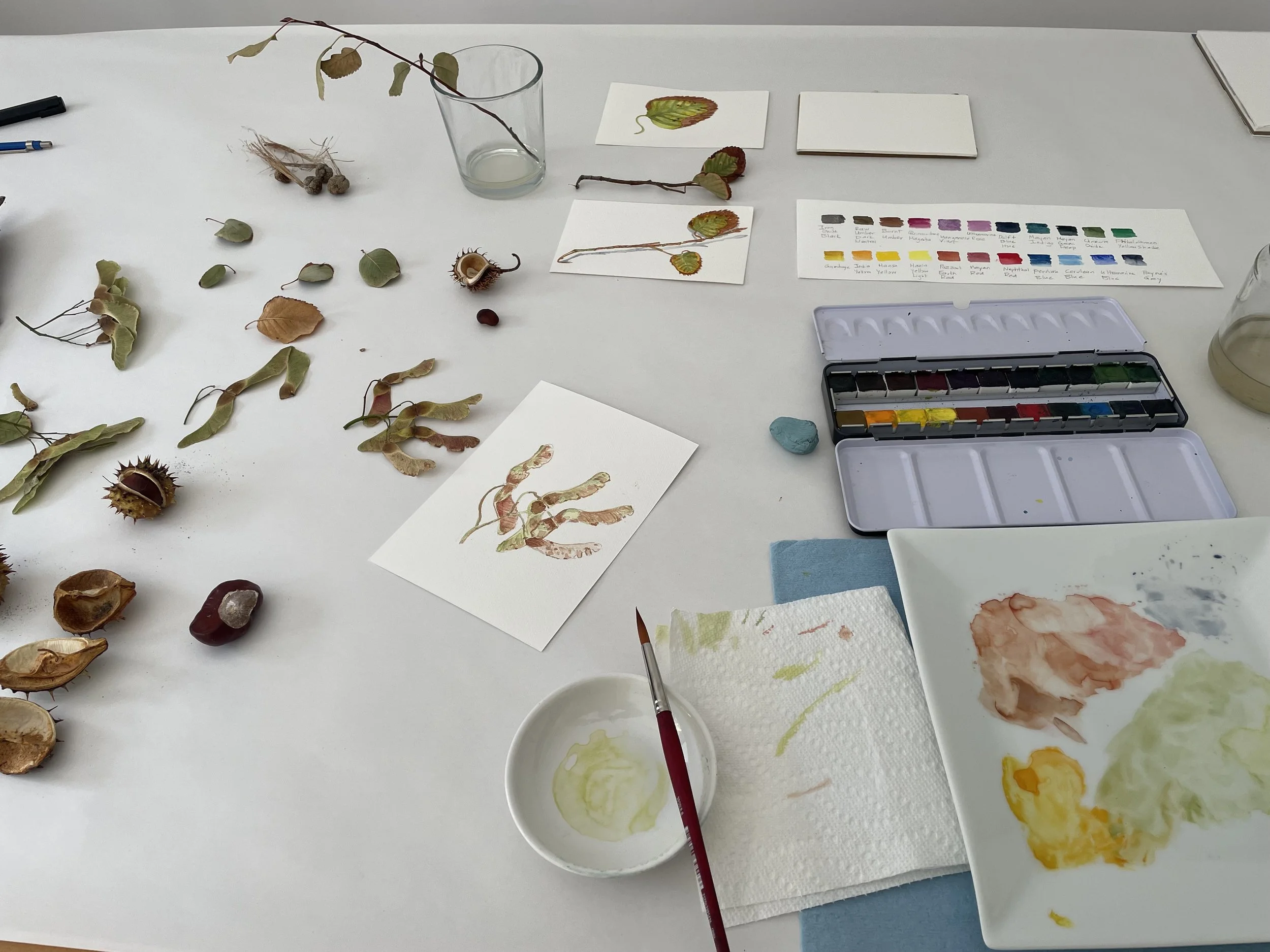
Studio Protocols
SAR hosts independent, self-directed residencies. Artists are expected to have the knowledge and experience needed to work safely and independently with their chosen materials and processes. Artists are responsible for the safe handling and disposal of all their materials.
While each resident has their own individual studio, the studios are connected by shared entryways. Due to the building’s architecture, the studios are not soundproof and do not have exhaust ventilation. As a result, SAR’s studios are semi-private within a shared environment. Artists are responsible for ensuring that their materials and working methods are suitable for SAR’s facilities and do not compromise the health or safety of other residents.
Practices that may work well in a private studio may need to be adapted for a shared environment. Artists should come prepared to make those adjustments and remain flexible in how they approach their work.
See Studios for more information and images of SAR’s facilities.
Material & Practice Suitability
SAR’s studios do not have exhaust ventilation, are not soundproof, and are connected to a septic system. These limitations affect which materials and processes are suitable for the residency.
Generally suitable practices include:
Non-toxic, low-dust materials and processes
Practices that are compatible with a shared studio environment
Oil Painting
Oil painting is permitted indoors from May through September, when studio doors can be opened for ventilation. This period may be adjusted at SAR’s discretion, depending on seasonal weather conditions.
Artists are required to use high-quality, odourless mineral spirits (e.g., Gamblin Gamsol) or other non-toxic alternatives.
Indoor oil painting is not permitted from October through April, when the studios cannot be adequately ventilated.
Turpentine, dammar products, powdered pigments, and carcinogenic products are not permitted in the studios. Please contact SAR before your residency if you are unsure whether a product is permitted
Practices Not Suited to SAR
Processes requiring specialized facilities, such as darkrooms or spray booths
Processes requiring specialized equipment or heavy machinery, such as kilns, printing presses, or welding equipment
Materials that use or produce hazardous fumes or airborne contaminants, such as turpentine, dammar, resin, varnishes, aerosols, powdered pigments
Any carcinogenic products
Strong or persistent smells, including incense
Processes involving highly flammable materials
Amplified sound or excessively loud processes
Processes requiring a technician, as no technician is available on site
Processes that may infringe on the work of other artists working in adjoining spaces
Outdoor Use Only
Some materials, equipment, and processes may be permitted outdoors only, subject to SAR’s protocols, designated work areas, and prior approval.
These may include, but are not limited to, aerosols, resins, strong-smelling materials and chemicals, encaustic, soldering, induction hot plates, heat-producing equipment, dust-producing processes such as sanding and grinding, and practices or equipment involving loud or amplified sound.
Open flames and flame-producing equipment are not permitted unless explicitly authorized by SAR. Outdoor use is not automatically permitted for all materials or processes. If your practice requires outdoor-only use, please contact SAR before applying to confirm whether it can be accommodated.
Image: Miriam Gil